Through Hole assembly for rugged, serviceable electronics.
Micron supports high-reliability Through Hole and mixed-technology builds in Norwood, Massachusetts with wave solder, skilled hand soldering, controlled inspection, test support, and practical communication from quote through shipment.
Through Hole assembly is still essential for products that need strength, serviceability, high-current connections, tall or heavy components, or reliable performance in demanding environments. Micron combines controlled soldering, fixture planning, inspection discipline, and mixed-technology coordination so Through Hole work fits cleanly into the full EMS build path.
Overview
Built for connectors, high-mass parts, mixed technology, and field-serviceable products.
Micron supports Through Hole assemblies from prototypes and NPI through recurring low-to-mid volume production. The best-fit programs often include ruggedized boards, connectors, terminal blocks, power components, harness interfaces, high-mass parts, or products where repairability and mechanical strength matter.
BOM, drawings, hole sizes, component mass, solder type, finish, fixture needs, and inspection requirements.
Wave, selective, pin-in-paste, or hand solder strategy based on layout, thermal mass, masking, and access.
Lead forming, insertion, clinching, soldering, cleaning, conformal coating, staking, or potting when required.
IPC workmanship review, hole fill, wetting, lead protrusion, polarity, test, records, and shipment documentation.
Mixed-technology discipline
Through Hole work is coordinated with SMT, test, finishing, and final assembly so the board route is clear before release.
Rugged build focus
Connectors, heavy parts, high-current devices, and field-serviceable assemblies can be planned for mechanical and solder reliability.
Documentation and traceability
Traveler requirements, inspection criteria, lot needs, labeling, serialization, and customer-specific records can be aligned early.
Capabilities
What Micron supports on Through Hole programs.
Through Hole work depends on the board design, component mix, solder process, thermal mass, cleanliness requirements, and whether the assembly continues into test, coating, wiring, or box build.
Wave solder support
Automated wave solder processes for suitable Through Hole layouts, with attention to masking, orientation, thermal mass, and cleanliness.
Skilled hand soldering
Controlled soldering for connectors, odd-form parts, repair work, engineering builds, and assemblies that need experienced operator judgment.
Pin-in-paste and mixed technology
Through Hole components can be coordinated with SMT routing where the layout supports pin-in-paste or mixed-process assembly.
Lead forming and mechanical prep
Lead forming, clinching, hardware installation, heat-sink assembly, standoffs, terminal blocks, and other mechanical prep steps.
Finishing options
Cleaning to specification, conformal coating, potting, encapsulation, staking, masking, labeling, and packaging requirements.
Inspection, test, and integration
IPC workmanship checks, AOI where applicable, ICT/FCT fixture coordination, system test, burn-in options, and box-build handoff.
Equipment
Wave solder, hand soldering, fixtures, and inspection support.
Micron’s Through Hole process is built around choosing the right soldering path for the assembly instead of forcing every board through the same route.
Featured equipment
Wave solder capability for repeatable Through Hole production.
Wave solder is valuable for compatible Through Hole designs where a controlled automated process can improve consistency and throughput. Micron evaluates board layout, component orientation, masking, thermal mass, and cleaning requirements before selecting the best solder method.
- ✓Process selection
Wave, selective, hand solder, or mixed strategy based on the product and risk profile. - ✓Fixture awareness
Pallets, masking, supports, and handling aids can be identified before production release. - ✓Inspection feedback
Hole fill, wetting, bridging, lead protrusion, residue, and workmanship criteria are verified after soldering.
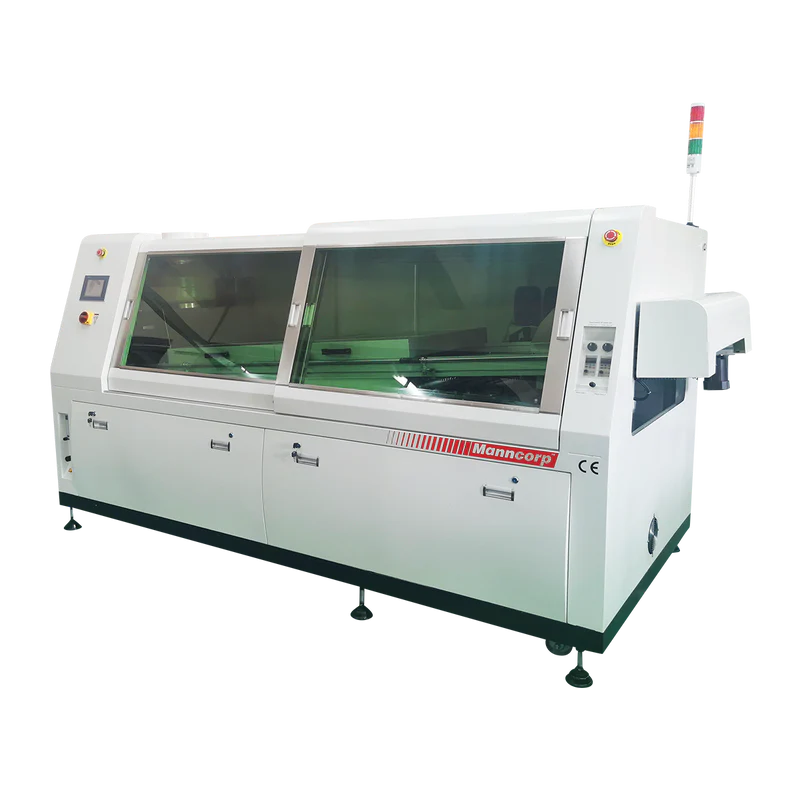
Wave Soldering System
Automated soldering support for compatible Through Hole boards, connectors, terminal blocks, and production batches where the design fits the process.
View Micron overview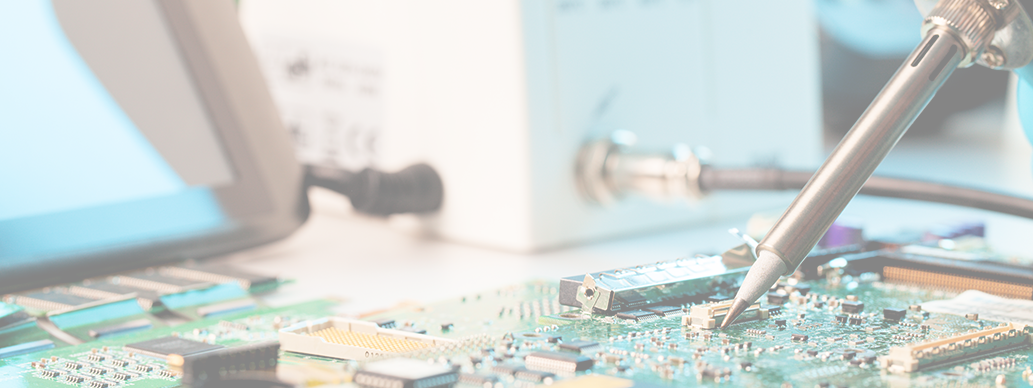
Controlled Hand Soldering
Skilled soldering for odd-form parts, heavy components, engineering changes, rework, and assemblies that need operator-level process judgment.
Pallets, Masking, and Handling Aids
Fixture strategy helps protect sensitive areas, support boards, improve repeatability, and reduce solder or handling risk on complex assemblies.
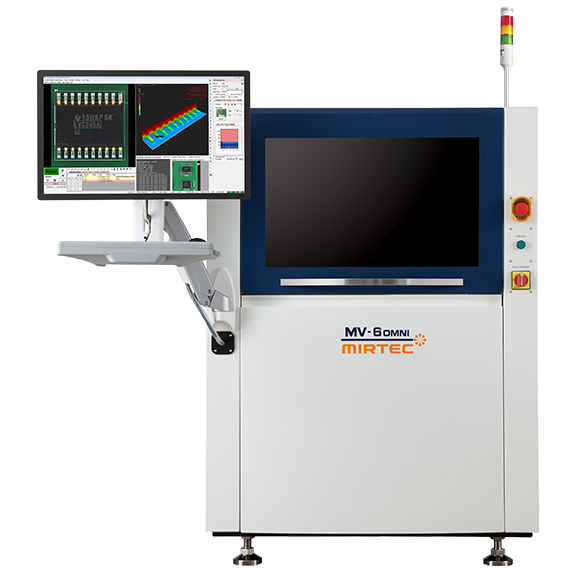
Inspection and Test Support
Visual inspection, AOI where applicable, fixture coordination, ICT/FCT support, firmware loading, serialization, and production records.
Explore testingIndustries
Through Hole support for products where mechanical and electrical reliability matter.
Micron is a strong fit for products that include rugged connectors, serviceable boards, high-current paths, panel wiring, lab equipment, or industrial controls with long product lives.
Aerospace / defense
Ruggedized electronics, controlled records, lot visibility, and Class 2 or Class 3 workmanship when specified.
Medical and lab equipment
Traceability, cleanliness expectations, repeatability, test support, and durable assemblies for instruments and devices.
Industrial controls and power
Connectors, terminal blocks, relays, high-current components, controls, sensors, and long-life equipment.
Communications and instrumentation
Mixed-technology boards, hardware interfaces, test fixtures, serviceable designs, and customer-specific labeling.
R&D prototypes
Engineering builds, validation units, first articles, and design changes where fast communication reduces risk.
Recurring OEM batches
Low-to-mid volume production, spares, revision-controlled builds, and practical schedule communication.
Quality
Through Hole quality depends on workmanship, solder method, mechanics, and documentation.
Good Through Hole work is visible in the details: proper hole fill, wetting, lead protrusion, component seating, strain relief, polarity, cleanliness, and how exceptions are documented and dispositioned.
Quote tip: Call out solder type, IPC class, cleanliness, coating, lead forming, hole fill concerns, test requirements, and any customer-specific acceptance criteria before the build starts. Those details help prevent assumptions from entering production.
Process
A controlled path from quote package to inspected assembly.
The best Through Hole outcomes come from choosing the soldering method early, protecting the assembly during handling, and giving inspectors clear acceptance criteria.
DFM and build plan
Review BOM, drawings, hole sizes, component weight, thermal mass, access, masking, and route assumptions.
Materials and kit readiness
Verify supplied kits, AVL status, alternates, lead forming needs, hardware, fixtures, shortages, and customer notes.
Insertion and preparation
Prepare leads, place components, install hardware, manage polarity, support boards, and identify masking or coating constraints.
Soldering
Use wave, selective, pin-in-paste, or hand soldering based on the assembly, solder type, thermal profile, and quality requirements.
Inspect and disposition
Review hole fill, wetting, bridging, lead protrusion, part seating, polarity, residues, and any deviations before moving forward.
Test, finish, and ship
Complete test, programming, cleaning, coating, labeling, packaging, and documentation requirements defined by the program.
FAQ
Common questions about Through Hole assembly.
These answers help engineering and purchasing teams prepare a clearer quote package and avoid common production delays.
Do you support both RoHS and tin-lead builds?
Yes. Micron can support lead-free and tin-lead requirements when the solder type, material needs, segregation expectations, and documentation requirements are identified in the quote package or purchase order.
What volumes are a good fit for Micron?
Micron is a strong fit for prototypes, NPI, low-to-mid volume production, recurring batches, spares, and high-mix programs where communication and process control matter.
When should a board use wave solder instead of hand soldering?
Wave solder can be a good fit when the layout, component orientation, masking, board support, and thermal mass are compatible with an automated process. Hand soldering may be better for odd-form parts, limited access, small batches, rework, or assemblies with process constraints.
Can Micron support mixed-technology boards?
Yes. Mixed-technology assemblies that combine SMT and Through Hole are a core use case. The build route should define SMT timing, Through Hole insertion, solder method, cleaning, coating, and inspection hold points.
Can you handle tall or heavy components?
Yes. Connectors, terminal blocks, relays, heat sinks, transformers, and other tall or heavy components can be reviewed for support, clinching, staking, hardware, and handling requirements.
Do you provide lead forming or mechanical prep?
Lead forming, trimming, clinching, hardware installation, heat-sink assembly, standoffs, and related preparation can be supported when drawings, notes, or acceptance criteria are provided.
What files should I send for a Through Hole quote?
Send the BOM, Gerbers or ODB++, assembly drawings, mechanical drawings, fabrication notes, quantities, solder type, IPC class, coating or cleaning requirements, test notes, programming needs, and photos or sample units if helpful.
Can you help with fixtures or pallets?
Yes. Micron can help identify where wave solder pallets, masking, supports, ICT/FCT fixtures, handling aids, or customer-supplied fixtures are needed for repeatability and risk control.
Do you offer conformal coating, potting, or staking?
Yes. Conformal coating, potting, encapsulation, staking, masking, and inspection can be reviewed and quoted when the material, keep-out areas, thickness, cure, and acceptance requirements are defined.
What workmanship standard do you build to?
Micron builds to IPC-A-610 and J-STD-001 requirements when specified, including Class 2 or Class 3 expectations based on the customer program.
Can you provide test and programming after assembly?
Yes. Micron can support ICT, functional test, fixture coordination, firmware loading, serialization, burn-in options, and system-level checks when procedures and acceptance criteria are available.
What can delay a Through Hole quote?
Missing drawings, unclear solder type, no quantity breaks, unknown test requirements, incomplete BOM data, undefined coating or cleaning needs, and unclear acceptance criteria can all slow review. Share what is known and flag open items early.
Quote
Send the Through Hole build package you have.
Attach the core files and explain what is known, what is still changing, and what the assembly needs to do after it is built. A strong RFQ helps Micron evaluate solder method, fixture needs, material risk, inspection coverage, test requirements, finishing, and schedule earlier.
For a faster Through Hole review, include:
Start the Through Hole RFQ
Use the quote form to share project details and upload the files available today. If the package is incomplete, note what is still open so the review can separate known scope from assumptions.
Ready to start your build?
Send your BOM, Gerbers, assembly drawings, mechanical notes, quantities, solder requirements, coating or cleaning needs, test notes, programming requirements, and schedule goals. Micron can review the package and help identify the clearest path from Through Hole data to reliable assembly.