


Quality Manufacturing has Japanese Roots
Printed Circuit Board assemblies are very much a part of many, if not most, people’s lives. Whom have you called, texted, or emailed recently? All made possible, at least in part, by PCB assemblies. Most of us hold more computing power in our hands on a daily basis than all of NASA had in the 1970s. An almost unbelievable thought given the fact that NASA got Americans to the moon, yet still believable, thanks to the process capabilities of electronic service manufacturers that span across this world. And Micron Corporation is one of them.
The knowledge required, and the skills acquired, have been developed and honed over many years in many different places. One of those places was, and is, Japan. One particular company in that part of the world stands out though many were undoubtably involved. Toyota established the Toyota Way. After the devastating end to World War II Japan faced a much different environment than other manufacturers in the United States such as General Motors and Ford. The U.S. manufacturers embraced mass production to supply a relatively large market. The Japanese necessarily took a different approach and excelled. So much so that the U.S. military began buying many of the vehicles they produced.
The knowledge required, and the skills acquired, have been developed and honed over many years in many different places. One of those places was, and is, Japan. One particular company in that part of the world stands out though many were undoubtably involved. Toyota established the Toyota Way. After the devastating end to World War II Japan faced a much different environment than other manufacturers in the United States such as General Motors and Ford. The U.S. manufacturers embraced mass production to supply a relatively large market. The Japanese necessarily took a different approach and excelled. So much so that the U.S. military began buying many of the vehicles they produced.
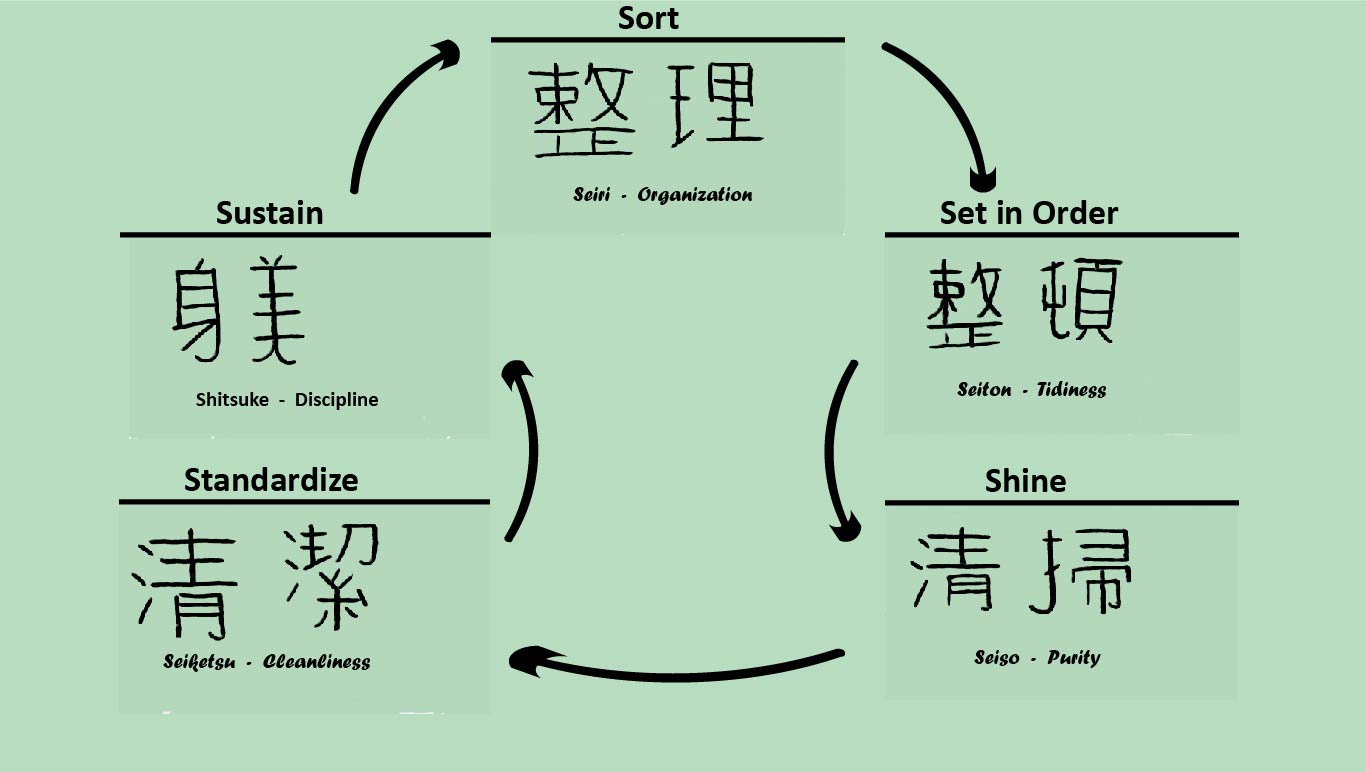
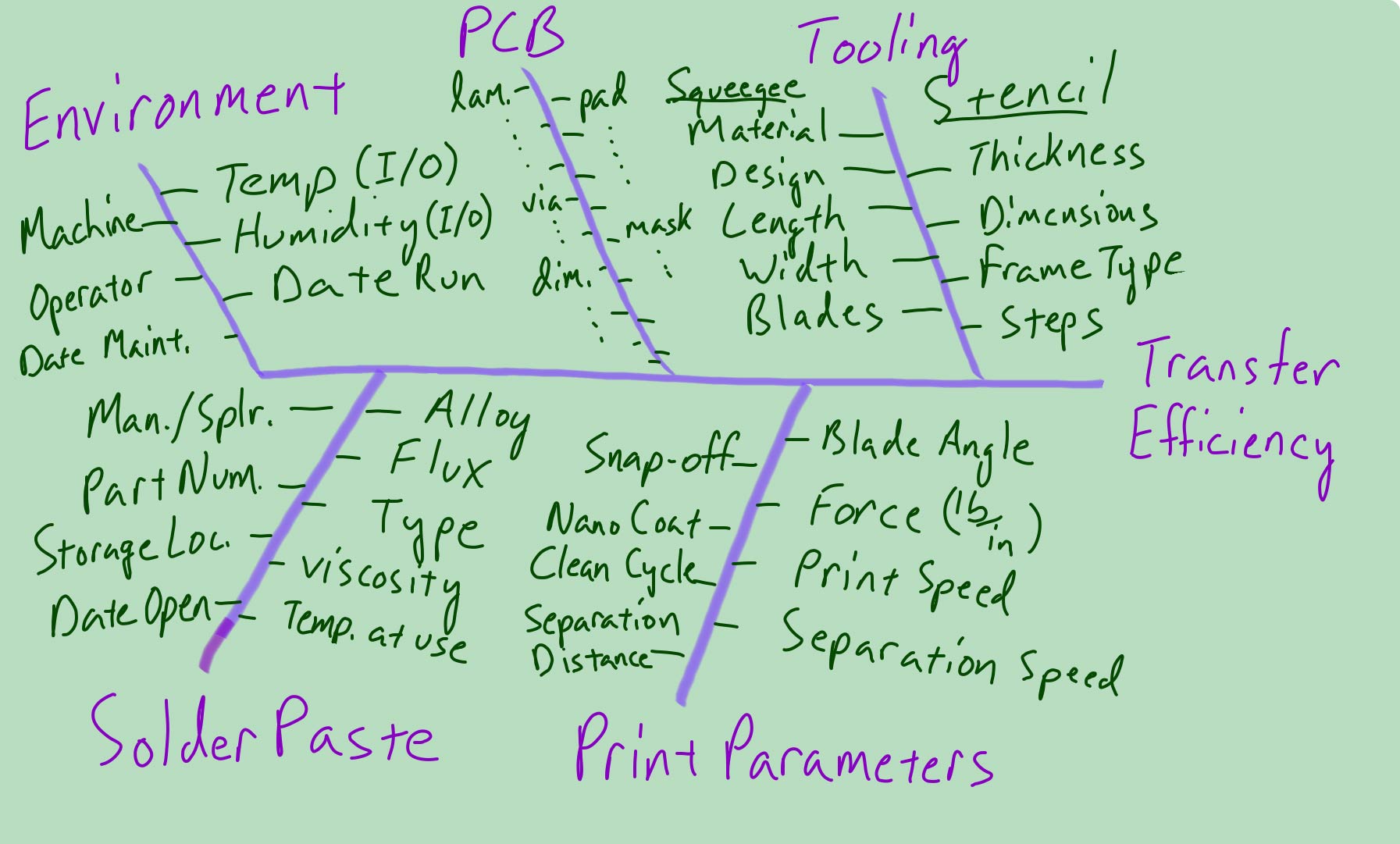
What that system set in motion led to further development of tools and methods that have been implemented across the world. One of those is the Cause-and-Effect diagram, also known as the Fishbone diagram for its branching features that resemble the bones of some fish. This particular diagram refers to many of the particulars of the stencil printing part of the electronic assembly process. Micron employs methods such as the Fishbone diagram to maintain high levels of quality that ensure their customers are well-served.
Micron Corporation has been and continues to be committed to meeting the needs of its customers. I’d like to think Ohno would smile upon our efforts.
Thank you for paying attention to this edition of Wisdom Wednesday! Join us next time as we delve deeper into the process that is electronics manufacturing.