

10 easy ways to help get rid of pests at home.
Pests move in for simple reasons: food, water, shelter, and easy entry. This guide gives homeowners a practical checklist for making kitchens, attics, basements, garages, offices, cabins, campers, and storage areas less inviting to unwanted pests.
Start with the everyday conditions pests use to survive. Then add continuous electronic deterrence with RODAR® II in the places where pest activity is seen or expected.
 Rats & mice
  Squirrels
  Bats
Bats  Roaches, fleas & more
Stop giving pests a reason to stay.
A practical, non-panic checklist for removing attractants, closing entry points, and using RODAR® II where it can work continuously.
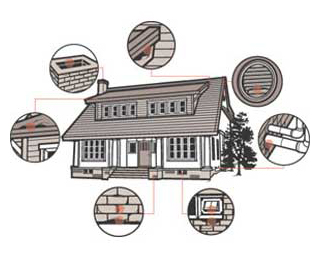
Take away the reasons pests move in.
A pest problem rarely starts with one single thing. A few crumbs under the stove, pet food left overnight, a slow leak, a torn screen, boxes stacked in a quiet corner, or a small gap around a pipe can turn an ordinary room into a comfortable place for pests to explore, nest, or return to.
The best prevention plan is simple: make the space harder to enter, harder to feed in, harder to hide in, and less comfortable to stay in. The 10 steps below are designed to work together.
Food
Open containers, crumbs, grease, pet food, bird seed, and trash can keep pests returning.
Water
Leaky pipes, damp basements, dripping spigots, and standing water support pest activity.
Shelter
Clutter, cardboard, wall voids, storage piles, crawl spaces, and quiet corners create cover.
Entry
Small gaps around doors, windows, screens, foundations, vents, and utilities can become routes inside.
10 easy ways to make your home less pest-friendly.
No panic. No complicated program. Start with the practical habits that remove what pests are looking for.
- 01
Put food in sealed containers.
Open boxes and loose bags are easy invitations. Move cereal, grain, rice, snacks, pet food, bird seed, and stored pantry items into tight-sealing glass, metal, or heavy plastic containers.
Do this today- Check lower pantry shelves first.
- Seal pet food and bird seed.
- Toss damaged packaging.
- 02
Clean the small food sources pests find at night.
Pests do not need a full meal to stay interested. Crumbs under appliances, grease behind the stove, sticky spills, toaster debris, and food residue near pet bowls can be enough to keep activity going.
Hidden hot spots- Under the refrigerator and stove.
- Behind trash cans and recycling bins.
- Inside cabinets near food storage.
- 03
Keep trash and recycling sealed.
Trash attracts pests quickly when bags sit open or cans do not close tightly. Use covered containers, rinse sticky bottles and cans, and avoid leaving filled trash bags in garages, basements, or utility rooms overnight.
Better habits- Use tight-fitting lids.
- Clean spills inside cans.
- Move full bags outdoors promptly.
- 04
Do not let pet food become pest food.
Pet bowls, bird seed, livestock feed, and treats can draw pests into kitchens, garages, porches, and storage areas. Feed pets on a schedule when possible, pick up leftovers, and sweep around bowls and storage bins.
Simple changes- Put bowls away at night.
- Store feed in lidded bins.
- Sweep feeding areas daily.
- 05
Fix leaks and remove standing water.
Pests need moisture. Repair dripping faucets, leaking pipes, broken spigots, damp cabinet areas, and wet spots around appliances. Empty plant saucers, buckets, and containers that collect water.
Check these areas- Under sinks and laundry hookups.
- Basements, crawl spaces, and garages.
- Outdoor hose bibs and drains.
- 06
Clear the clutter pests hide in.
Cardboard, paper bags, old fabric, unused boxes, stacked containers, and piles on the floor give pests cover. Keep storage areas open enough to inspect, clean, and place deterrent devices correctly.
Storage reset- Break down empty cardboard.
- Use lidded bins instead of open boxes.
- Keep stored items off walls when possible.
- 07
Tighten doors, windows, and screens.
Small openings add up. Check door sweeps, weatherstripping, torn screens, loose window frames, basement windows, garage doors, and any area where daylight can be seen around an exterior opening.
Quick inspection- Replace damaged door sweeps.
- Repair screen tears.
- Close gaps around frames.
- 08
Seal openings around pipes, wires, vents, and utility lines.
Walk the inside and outside of the home and look where plumbing, electrical wiring, cable lines, drains, vents, and utility penetrations enter. Seal gaps with durable materials appropriate for the surface and location.
If animals may already be nesting inside, or if bats are present, avoid sealing them in. Contact a qualified pest or wildlife professional before closing exits.
Common entry points- Pipe and wire openings.
- Dryer and attic vents.
- Gaps near foundations and siding.
- 09
Walk the outside perimeter.
Look for cracks, holes, loose siding, damaged vents, open areas under decks, gaps near the roofline, and debris close to the building. Trim vegetation away from the structure and keep wood, lumber, pipes, and stored items raised off the ground when possible.
Outside targets- Foundation cracks and siding corners.
- Overgrown shrubs and weeds.
- Wood piles, junk, and stored materials.
- 10
Add continuous electronic deterrence with RODAR® II.
After food, water, shelter, and entry points are under control, use RODAR® II to help make enclosed indoor areas less comfortable for pests. Plug it into a standard outlet, aim the front of the unit toward the problem area, and leave it running continuously.
Ultrasonic sound works best with a clear path. Walls, closed doors, heavy furniture, cabinets, and dense storage can reduce coverage, so separate or obstructed spaces may need more than one unit.
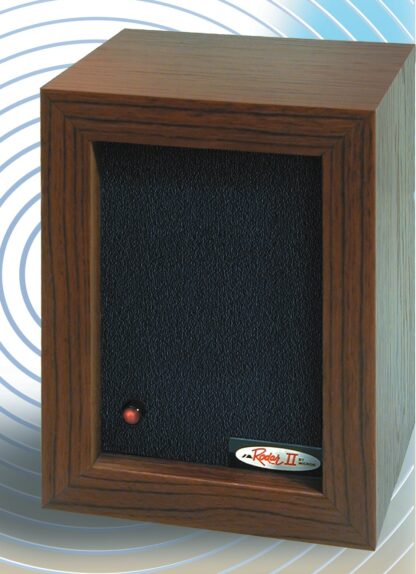
RODAR® II helps repel rats, mice, bats, squirrels, fleas, roaches, and other unwanted pests without bait, poisons, or traps to set.
Placement reminders- Start where pest activity is seen.
- Aim into open space or travel paths.
- Keep the unit on continuously.
- Use more units for divided rooms.
Focus on the spaces pests like most.
A cleaner kitchen helps. A sealed garage helps. A less cluttered basement helps. The strongest results come when the whole space becomes harder for pests to use.
Kitchens & pantries
- Seal dry goods and snacks.
- Clean under appliances.
- Empty trash and recycling frequently.
- Aim RODAR® II toward open room space.
Basements & garages
- Fix damp areas and leaks.
- Reduce cardboard storage.
- Check garage door gaps.
- Keep the ultrasonic path clear.
Attics & eaves
- Inspect vents and screens.
- Look for nesting evidence.
- Do not seal active animals inside.
- Aim deterrence toward travel areas.
Cabins & campers
- Remove food before storage.
- Seal small seasonal openings.
- Clean crumbs and spills before closing up.
- Run RODAR® II when power is available.
Offices & work areas
- Control snacks and break-room trash.
- Clean around vending and coffee stations.
- Keep storage rooms organized.
- Use RODAR® II in enclosed problem areas.
Make prevention active, not occasional.
Cleaning, sealing, and clutter reduction remove the reasons pests want to stay. RODAR® II adds continuous ultrasonic deterrence in enclosed indoor spaces where pests are active or likely to enter.
Place the unit near the problem area, aim the front toward open space or travel paths, and keep it running. For rooms separated by walls, closed doors, dense storage, or long distances, use additional units where needed.
Built by an electronics manufacturer, not a novelty brand.
RODAR® II is manufactured and supported by Micron Corporation, a company involved with the design, manufacturing, marketing, fulfillment, and support of RODAR® products since 1992.
A device intended to run around the clock should be treated like a real electronic product, with repeatable assembly and process control behind it.
Decades of RODAR® feedback help shape placement guidance, instructions, packaging, support, and customer expectations.
Questions about placement, coverage, room layout, or pairing prevention steps with RODAR® II can be handled by the same company behind the product.
Common questions about getting pests out and keeping pressure down.
What is the first thing to do when pests appear?
Start by removing the basics pests need: food, water, shelter, and easy entry. Clean food sources, seal trash, repair leaks, reduce clutter, and inspect gaps around doors, windows, vents, pipes, and utility lines.
Can this guide help with rats and mice?
Yes. Many of the most important rodent prevention steps are practical: seal food, manage trash, remove water, reduce shelter, and close openings. RODAR® II can then be used as a continuous ultrasonic deterrent in enclosed indoor spaces.
Does RODAR® II replace cleaning and sealing?
No. RODAR® II works best as part of a broader prevention plan. Cleaning, sealing, and clutter reduction make the space less attractive, while RODAR® II helps make the protected area less comfortable for pests.
Where should RODAR® II be placed?
Place it in the enclosed area where activity is seen or expected. Aim the front of the unit toward open room space, pest travel paths, nesting areas, or likely entry points. Avoid blocking the sound path with boxes, furniture, doors, or dense storage.
How many RODAR® II units are needed?
One unit can cover up to 3,000 square feet under favorable conditions. Walls, closed doors, partitions, heavy furniture, and divided problem areas can reduce coverage and may require more than one unit.
Is RODAR® II safe around pets?
RODAR® II is intended for use around people and non-rodent pets such as cats and dogs. Do not use it near pet rodents such as hamsters, gerbils, rats, mice, or guinea pigs.
Does ultrasonic sound travel through walls?
Ultrasonic sound needs a clear path. Walls, closed doors, heavy furniture, cabinets, and packed storage can reduce coverage, so separate rooms and obstructed areas may need separate units.
What if pests are already nesting inside?
Do not seal active animals inside. If nesting, large infestations, droppings, biting insects, damaged wiring, or bats are present, contact a qualified pest or wildlife professional and use this checklist as part of the cleanup and prevention plan.
Start with the checklist. Keep the pressure on with RODAR® II.
Remove attractants, close entry points, and add continuous ultrasonic deterrence where pests are active or likely to enter.