

Help repel bats from attics, eaves, and enclosed spaces.
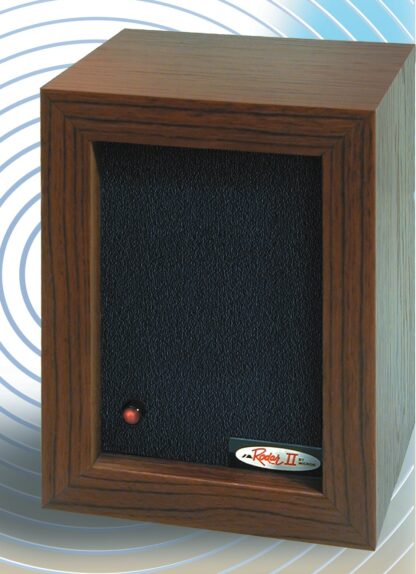
RODAR® II is a plug-in ultrasonic bat deterrent designed to help make attics, garage lofts, barns, cabins, and storage areas less comfortable for bats.
For the strongest, most responsible plan, use RODAR® II as a continuous deterrence layer alongside evening observation, rabies-safety guidance, properly timed one-way exclusion, and permanent sealing only after every bat—including any flightless young—has left.

Start with the exit point—not just the sound overhead.
Bats often show how they are using a structure at dusk. Watch from outside, inspect without touching animals or waste, and separate a one-time indoor visitor from an established attic or wall-roost problem.
Emergence at dusk
Watch the roofline, soffits, fascia, vents, chimney flashing, dormers, and siding gaps shortly after sunset. Repeated exits from one location can reveal the active route.
Chirping or light scratching
High-pitched sounds, rustling, or movement in an attic, wall, soffit, chimney, or garage loft may be more noticeable around dusk, dawn, or warm periods.
Guano below a roost
Small dark droppings below an entry, along an attic floor, or beneath a beam can indicate a regular roost. Avoid disturbing accumulated material or creating airborne dust.
Dark staining near openings
Repeated body contact may leave rub marks or staining around a narrow gap. Bats can use very small openings, so inspect seams as well as obvious holes.
A bat in a living space
A bat found in a bedroom or occupied room is a public-health question before it is a pest-control question—especially when contact cannot be ruled out.
Repeated seasonal return
Warm attics and protected cavities can become familiar roosts. A colony may return seasonally unless the entry is correctly excluded and sealed.
Best first-start timing: after evening emergence.
During a legally appropriate exclusion period and on a warm, calm evening when bats are actively leaving to feed, watch the primary exit at dusk. After bats have emerged, place and activate RODAR® II inside the dry roosting zone only if it is safe to enter without contact. Starting while the space is relatively empty may make it less inviting when bats return than trying to disturb animals already settled in the roost.
Bats navigate and hunt with ultrasonic echolocation. Peer-reviewed acoustic-deterrent research shows that added ultrasound can change bat activity and echolocation behavior, which may make an acoustic space less usable for some species. Responses vary by species and setting, so ultrasound should not be treated as proof that every bat has left or as a substitute for exclusion.
Time exclusion around the bats’ life cycle.
Do not close an active opening during maternity season, hibernation, prolonged cold, or other periods when bats may not leave nightly. Timing differs by region and species. MassWildlife, for example, limits home exclusion to specific spring and late-summer windows. Check state wildlife rules before installing one-way devices or sealing a roost. Review MassWildlife timing guidance.
Observe first. Deter responsibly. Exclude at the right time.
EPA’s integrated pest management approach emphasizes identification, monitoring, prevention, and the appropriate combination of methods. For bats, the permanent objective is safe, correctly timed exclusion—not trapping animals inside.
Observe the exit at dusk.
Watch from outside to locate the active opening, estimate the number of bats, and note whether they are using one route or several roofline gaps.
Address exposure questions first.
If a bat entered an occupied room or contact may have occurred, pause the project and ask the health department or animal control about capture, testing, and medical advice.
Choose a safe exclusion window.
Confirm that local rules, weather, maternity timing, and hibernation behavior allow bats to leave nightly without trapping non-flying young or torpid adults.
Start RODAR® II after emergence.
When safe, place the unit inside the dry roosting zone after the evening exit, aim it across open rafters or toward the return route, and leave it running continuously.
Exclude, seal, and monitor.
Use an appropriate one-way exclusion method, confirm all bats are out, then seal the opening and nearby secondary gaps with durable materials. Continue monitoring.
Continuous ultrasound in the enclosed space bats try to reuse.
RODAR® II emits ultrasonic sound in the 23–55 kHz range. It is designed to help make an attic, garage loft, barn room, cabin, or similar enclosed area less comfortable while it runs quietly in the background.
Bats use ultrasonic echolocation to orient and forage. Research on acoustic deterrents has found changes in bat activity, flight, and echolocation behavior in treated airspace. That does not mean every species or colony responds the same way, and public-health guidance advises against relying on ultrasound alone to eliminate an established roost.
Face the front panel toward the roost, primary exit, return path, or open attic—not into insulation, a wall, or a stack of boxes.
When timing and access are safe, activating the unit after bats emerge may make the roost less attractive when they return.
Continuous operation keeps the deterrence layer present during overnight return, daytime roosting, and future investigation of the space.
Walls, closed hatches, insulation, chimneys, and packed storage block ultrasound. Separate spaces may need separate placement.
Put the unit in the roosting zone—not in the room below.
If bats are using an attic, garage loft, barn room, or accessible eave cavity, RODAR® II belongs in that same dry, protected airspace. Ultrasound cannot be expected to travel through a finished ceiling, wall, chimney liner, or closed attic hatch.
Attics & open rafters
Place or mount the unit where its front panel can face the roost, active exit, open roof framing, or return path. Keep insulation and stored materials away from the front.
Eaves, soffits & dormers—from inside
Aim from the dry attic toward the side containing the entry. Do not put the unit outdoors or expose it, the adapter, or wiring to moisture or weather.
Garages, barns & workshop lofts
Aim toward overhead beams, wall-top routes, roof framing, or the observed exit. Use another unit when walls or closed rooms divide the active zone.
Cabins & outbuildings
Inspect before occupancy, run the unit continuously in the enclosed interior, and schedule exclusion or repairs during a safe regional timing window.
Wall voids & sealed cavities
Do not expect a unit in the finished room to reach bats behind a wall. A professional may be needed to identify the route and create a safe exclusion plan.
Use specialist guidance
Do not reach into a chimney, flue, or narrow shaft to place the unit. Protect the appliance and ventilation system and use a qualified wildlife or chimney professional.
Good starting setup
Avoid these mistakes
The right response depends on where the bat is—and why it is there.
A single bat that entered a room calls for exposure assessment and safe capture guidance. A group returning to an attic or roof cavity calls for observation, timing, one-way exclusion, and repair.
A bat in a living space
Treat the encounter as a public-health and safe-capture issue before thinking about deterrence.
- Keep people and pets away; do not touch the bat bare-handed.
- If contact may have occurred, do not release it before speaking with public health.
- Use CDC or local animal-control guidance for safe capture and testing.
- After the immediate issue is resolved, inspect how it entered the occupied room.
An attic or building colony
Treat repeated dusk emergence, guano, and seasonal return as a building-exclusion project.
- Watch the exit at dusk and look for secondary gaps.
- Confirm a lawful, maternity-safe, weather-appropriate timing window.
- Use RODAR® II as a deterrence layer in the actual roosting zone.
- Complete one-way exclusion, sealing, cleanup, and monitoring.
Use deterrence while the exclusion and repair plan moves forward.
Bats are mobile, seasonal, and strongly attached to familiar roosts. Species, weather, maternity status, alternate exits, colony size, building layout, and the security of the roost all affect behavior.
Observe, then start.
Locate the primary exit at dusk. During a safe timing window, activate RODAR® II after emergence and aim it across the roosting zone.
Monitor return and alternate routes.
Watch the exit, listen for activity, keep the unit on, and arrange one-way exclusion when a qualified plan is in place.
Seal, clean, and keep checking.
Close the active and secondary gaps, inspect flashing and vents, address guano safely, and continue monitoring for renewed activity.
Pest-control electronics should be built like electronics.
Micron has manufactured RODAR® systems since 1992 and has supported the product from design and assembly through packaging, fulfillment, customer education, and service. That electronics-manufacturing background matters for a device intended to stay plugged in and operate continuously in real homes, attics, garages, cabins, and work areas.
Decades of RODAR® product history, customer feedback, packaging, placement guidance, and direct support.
RODAR® II is built by an electronics manufacturing company focused on repeatable assembly and dependable operation.
Less than 2 watts of electricity supports around-the-clock operation without a complicated routine.
RODAR® IIUltrasonic bat deterrence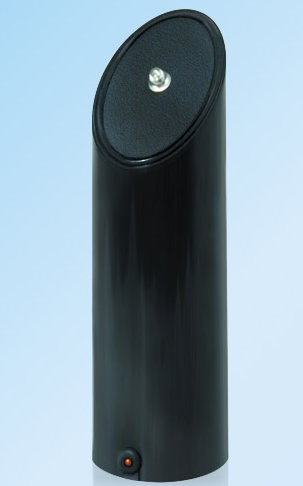 EnergAire®Quiet, filter-free air support
Two separate products for two separate jobs. Position each one for the function it performs.
Discourage bats. Support the air in the room.
RODAR® II focuses on ultrasonic pest deterrence. EnergAire® provides quiet, filter-free ionization to support fresher-feeling air in dry, occupied or finished spaces near the problem area—such as a garage, workshop, cabin, storage room, or finished room below an attic.
Aim across open attic, loft, or barn air toward the roost, return path, or active exit.
Use it in a dry, accessible area where air can circulate—not buried in insulation, guano, boxes, or a sealed cavity.
Neither product removes guano, repairs an entry, disinfects a surface, or replaces safe one-way exclusion and ventilation.
Use deterrence inside a responsible bat-management plan.
These public resources support the page’s emphasis on rabies safety, observation at dusk, correctly timed exclusion, prevention, and careful handling of bat droppings.
What to do after possible contact, how to observe exits at dusk, safe capture basics, and why a bat should not be released before public-health advice when exposure is possible.
Open CDC guidance → CDCReducing histoplasmosis riskWhy disturbing soil or material containing bird or bat droppings can create exposure and when large accumulations call for professional cleanup.
Open CDC guidance → U.S. EPAIntegrated pest managementA prevention-first framework built around identification, monitoring, exclusion, sanitation, and the appropriate combination of control methods.
Open EPA guidance → MassWildlifeBats in the homeRegional information about inspection, safe eviction, one-way doors, timing, local wildlife rules, and Massachusetts bat conservation.
Open MassWildlife guidance →Start with the conditions pests use.
Get the full “10 Easy Ways to Help Get Rid of Pests” guide for practical ideas on inspection, moisture control, clutter, cleaning, entry points, storage, and continuous prevention.
- Inspect rooflines and quiet spaces
- Reduce moisture and sheltered clutter
- Plan exclusion only during a safe timing window
- Build a practical layered prevention plan
Straight answers before you plug it in—or close the entry.
Use these answers to avoid common safety and placement mistakes and understand where ultrasonic deterrence fits in a responsible bat-control plan.
Does RODAR® II kill, trap, or capture bats?
No. RODAR® II is designed to help make an enclosed area less comfortable with ultrasonic sound. It does not kill, trap, capture, test, or physically remove bats.
When should RODAR® II first be turned on for bats?
When local rules, weather, and the bats’ life cycle allow, observe the exit at dusk and start the unit after bats have emerged to feed. Do not assume every bat has left, and do not seal the opening until all bats and any flightless young are confirmed out.
Can ultrasound affect bat echolocation?
Bats use ultrasonic echolocation. Research on acoustic deterrents shows that ultrasound can alter activity, flight, and echolocation behavior in some species and settings. Responses vary, so RODAR® II should be used as one layer—not as proof of complete removal.
Where should RODAR® II be placed for bats?
Place it in the same dry, enclosed attic, garage loft, barn room, cabin, or storage zone where activity is occurring. Aim across open air toward the roost, exit, rafters, or return path.
Will ultrasound travel through a ceiling or wall?
No. Ultrasound works through open air and may reflect from hard surfaces, but ceilings, walls, closed hatches, insulation, chimneys, ducts, and dense storage can block or reduce coverage.
Should the bat entry be sealed immediately?
No. Permanent sealing should happen only after a properly timed one-way exclusion and confirmation that all bats—including non-flying young—are out. Follow local wildlife rules or use a qualified professional.
What should I do if a bat was in a bedroom?
Avoid touching or releasing the bat until speaking with the local health department or animal control, especially when a person was sleeping or contact cannot be ruled out. Follow CDC guidance for capture, testing, and medical advice.
Can bat guano be vacuumed from the attic?
Do not create dust from accumulated guano. CDC notes that disturbing material containing bird or bat droppings can increase histoplasmosis risk, and large accumulations should be handled by appropriately equipped professionals.
Make the roosting space less inviting—then keep bats out responsibly.
Observe the active exit, choose a safe timing window, start RODAR® II after evening emergence when appropriate, give it a clear sound path, and complete professional-quality exclusion and repair.