

Help repel rats and mice before they settle in.
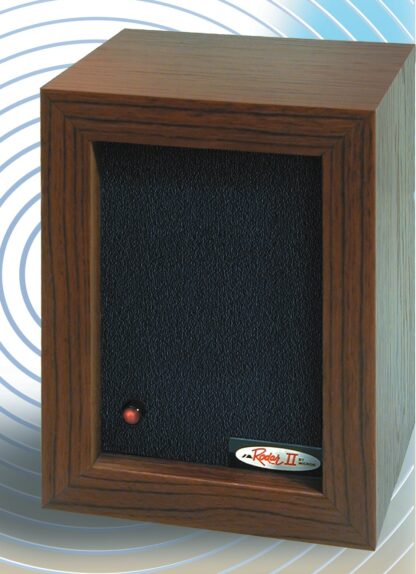
RODAR® II is a plug-in ultrasonic rat and mouse repeller designed to make kitchens, basements, garages, attics, cabins, campers, and storage areas less comfortable for rodents.
Aim it toward the area where activity is seen, keep the sound path open, and leave it running continuously. For a stronger rodent-control plan, pair RODAR® II with the practical steps that remove food, water, shelter, and entry points.

The first clue is usually not the rodent.
Rats and mice often leave evidence before they appear in the open. Inspect quiet areas regularly so a small problem is easier to address before nesting, food contamination, or damage spreads.
Droppings
Look in drawers, cabinets, under sinks, behind appliances, along walls, and near stored food. New droppings after safe cleanup can indicate continuing activity.
Gnaw marks
Chewed food packages, wood, plastic, wires, or openings around a room can point to a rodent travel or feeding area.
Nighttime sounds
Scratching, movement, or light thumping after dark may come from walls, ceilings, attics, cabinets, or stored materials.
Nesting material
Shredded paper, fabric, insulation, dried plant matter, or packing material in a hidden corner can signal a nesting site.
Repeated travel paths
Rodents often move along protected edges. Watch baseboards, wall lines, utility routes, shelving edges, and the space behind appliances.
Damaged or stale-smelling areas
Food-package damage, hidden caches, stains, or an unexplained stale odor can justify a closer inspection of nearby voids and storage.
Work on the whole problem—not only the symptom.
A strong plan changes several conditions at once. Inspect, clean, remove attractants, block access, add continuous deterrence, and keep checking the places rodents try to use.
Inspect and clean safely.
Find droppings, gnawing, nesting, food damage, sounds, and travel routes. Follow safe cleanup guidance before moving boxes or disturbing contaminated material.
Remove food and water.
Seal pantry goods, clean crumbs and grease, manage trash, put pet food away, fix leaks, and remove standing water.
Close entry points.
Inspect around pipes, vents, doors, foundations, cabinets, attics, and utility lines. Mice can fit through an opening about the width of a pencil.
Add RODAR® II coverage.
Place the unit near activity, aim the front panel across open room space or a travel route, and leave it operating continuously.
Monitor and adjust.
Watch for fresh signs. Clear blocked sound paths, change the angle, move closer to activity, or add a unit for separated rooms.
Continuous sound in the spaces rodents try to use.
RODAR® II emits ultrasonic sound in the 23–55 kHz range. It is designed to make the protected area less comfortable for rats and mice while the device runs quietly in the background.
Ultrasound travels through open air and can reflect from hard surfaces, but it does not work through walls or closed doors. Good placement matters more than simply plugging the unit into the nearest hidden outlet.
Face the front panel toward rodent activity, baseboards, utility routes, entry areas, or open storage—not into a wall or box.
Continuous operation keeps the deterrence layer present during the nighttime hours when rats and mice are often active.
One unit can cover up to 3,000 square feet under favorable conditions. Walls, doors, floors, and dense storage can require additional units.
RODAR® II uses no bait, poison, trap, or chemical spray. It is designed to deter rather than capture or kill.
Place it where rodents move—not where it is easiest to hide.
Start near the evidence. Keep the front panel visible to the room and aim it across the path, edge, or open area the rodents are using.
Kitchens & pantries
Aim across pantry walls, baseboards, cabinet lines, or the open area behind appliances. Keep the unit dry and clear while sealing food and cleaning spills.
Basements & crawlspace access
Face foundation edges, utility penetrations, open corners, or wall-adjacent travel paths. Do not bury the unit behind stored boxes.
Garages & workshops
Aim toward door edges, storage walls, wiring routes, or areas showing droppings and gnawing. Use another unit when a wall separates the problem zone.
Attics & eaves
Point into open rafters, attic floor areas, stored materials, or suspected mouse travel routes. Keep insulation and boxes from blocking the front.
Cabins, campers & RVs
Remove food before closing the space, inspect gaps, and run the unit continuously in a dry interior location before and during inactive periods.
Storage rooms & back rooms
Create open aisles, lift boxes when practical, and aim along room edges or entry routes. Dense storage can create sound shadows that need another angle or unit.
Good starting setup
Avoid these placement mistakes
Same goal. Slightly different setup priorities.
Both rodents use protected routes and dependable food sources, but the best first placement can differ based on the signs and the part of the building involved.
Mice
Mice can use very small openings and may appear around food storage, cabinets, drawers, wall voids, attics, and seasonal spaces.
- Inspect pencil-width gaps around pipes, cabinets, vents, and doors.
- Start near pantry walls, appliance paths, attic access, or fresh droppings.
- Use additional coverage for separated rooms and wall-divided areas.
Rats
Rats are often cautious around new objects and commonly use protected edges, utility routes, garages, basements, foundations, and storage areas.
- Aim along low wall edges, garage boundaries, foundation access, or utility runs.
- Keep the setup stable and monitor whether new signs appear after cleanup.
- Persistent or heavy activity may call for traps, exclusion, or professional help.
Set the device once. Keep improving the room around it.
There is no single timeline for every rodent problem. Nesting, food, water, entry points, room layout, and infestation pressure all affect what happens next.
Place, aim, and confirm.
Choose the activity zone, clear the front of the unit, plug it in, confirm the red LED is blinking, and leave it running continuously.
Remove the reasons to stay.
Clean safely, secure food, fix leaks, reduce clutter, inspect gaps, and note whether fresh droppings, sounds, gnawing, or tracks continue.
Adjust based on evidence.
Move closer to activity, change the angle, clear obstructions, or add another unit for separated rooms. Continue exclusion and monitoring.
Built to stay on. Backed by the people who make it.
Micron has manufactured RODAR® systems since 1992 and has supported the product through design, manufacturing, marketing, fulfillment, and customer service. That electronics background matters for a device intended to operate continuously in real homes and workspaces.
Decades of product history, customer feedback, packaging, placement guidance, and direct support.
RODAR® II is built by an electronics manufacturing company focused on repeatable assembly and dependable operation.
Less than 2 watts of electricity supports around-the-clock operation without a complicated routine.
RODAR® IIUltrasonic rat and mouse deterrence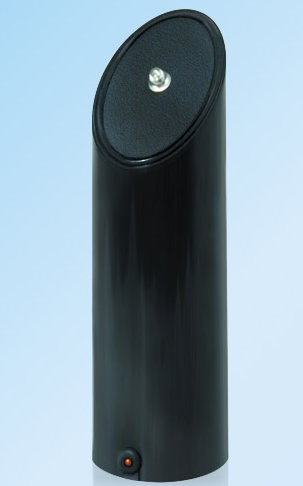 EnergAire®Quiet, filter-free air support
Two separate products for two separate jobs. Position each one for the function it performs.
Repel the rodents. Support the air in the room.
RODAR® II focuses on ultrasonic pest deterrence. EnergAire® provides quiet, filter-free ionization to support fresher-feeling air in basements, garages, storage rooms, cabins, campers, offices, and other enclosed spaces.
Aim the front panel across open air toward wall edges, entry areas, or travel paths.
Place it where air can circulate rather than behind furniture, boxes, or inside a tight cabinet.
Neither product replaces safe cleanup, food control, moisture repair, exclusion, or professional help when needed.
Start with the habits rats and mice hate.
Get the full “10 Easy Ways to Help Get Rid of Pests” guide for practical ideas on food storage, moisture control, inspection, clutter, cleaning, entry points, and continuous prevention.
- Find the places rodents use first
- Remove food, water, and shelter
- Seal the gaps that let pests return
- Build a practical layered prevention plan
Straight answers before you plug it in.
Use these answers to choose the right room, avoid common setup mistakes, and understand where ultrasonic deterrence fits in a broader rodent-control plan.
Does RODAR® II kill rats or mice?
No. RODAR® II is designed to help repel rodents by making the protected area less comfortable. It does not trap, poison, capture, or kill them.
Does ultrasonic sound go through walls?
No. Ultrasound travels through open air and can reflect from hard surfaces, but walls, closed doors, cabinets, furniture, and packed storage can block or reduce coverage.
Where should RODAR® II be placed for rats and mice?
Start near droppings, gnawing, scratching, food damage, wall edges, utility routes, or entry points. Place or mount it about 3–7 feet from the floor when practical and aim into open room space.
How many units are needed?
One unit can cover up to 3,000 square feet under favorable open-space conditions. Separate rooms, closed doors, multiple floors, blocked paths, and dense storage may require more than one unit.
Can it be used around cats and dogs?
RODAR® II is listed for use around non-rodent pets. Because it is designed to repel rodents, do not use it near pet rats, mice, hamsters, gerbils, guinea pigs, or similar small rodent pets.
Do food, clutter, and open holes still matter?
Yes. RODAR® II works best as part of a layered plan. Seal food, fix leaks, reduce clutter, clean safely, and close entry points so rodents have fewer reasons and fewer ways to use the space.
Can RODAR® II replace traps or professional pest control?
Not in every situation. Active or heavy infestations may require appropriate trapping, exclusion, repairs, or professional help. Use RODAR® II as a continuous deterrence layer, not as a substitute for every other control measure.
Can rodent droppings be vacuumed up?
Do not vacuum or sweep dry rodent urine, droppings, or nesting material. Follow CDC cleanup guidance for wetting, disinfecting, and removing contaminated material safely.
Make the space less inviting to rats and mice.
Start with the room where activity is visible, give RODAR® II a clear sound path, and use additional units for separate or obstructed areas.