

Help repel roaches and other crawling pests from indoor spaces.
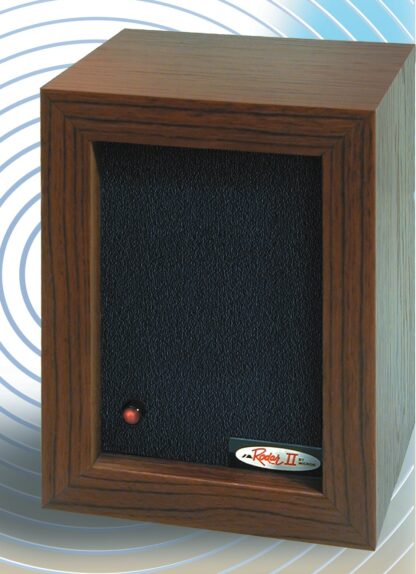
RODAR® II is a plug-in ultrasonic pest repeller designed to help make kitchens, pantries, basements, laundry rooms, garages, cabins, campers, offices, and storage areas less inviting to roaches, fleas, and other unwanted pests.
Place it where activity is seen, aim the front panel across open air, and leave it running continuously. For stronger results, use RODAR® II as one layer in a practical pest-management plan that identifies the pest, removes food and water, reduces hiding places, seals access, and uses targeted controls when needed.

Not every small insect is a roach—and not every pest needs the same plan.
A correct identification helps determine where to clean, what to seal, whether pets need treatment, and when targeted products or professional service make sense. Look for patterns, not only a single sighting.
Droppings or dark specks
Check cabinet corners, drawer tracks, under sinks, behind appliances, along wall edges, and near food or water. Fresh evidence after cleaning can reveal an active route.
Egg cases
Small brown or tan capsules near cracks, appliances, stored goods, cardboard, or warm hidden areas can indicate cockroach reproduction nearby.
Shed skins
Young roaches shed their outer covering as they grow. Cast skins in sheltered areas can be easier to find than the insects themselves.
Nighttime activity
Roaches are commonly noticed after dark around sinks, trash, food storage, appliances, floor drains, utility penetrations, and wall edges.
Odor, smears, or food damage
A persistent stale odor, marks along repeated routes, damaged packaging, or contamination around stored food deserves a closer inspection.
Pet scratching or ankle bites
These signs may point to fleas rather than roaches. Check pets and resting areas, and involve a veterinarian when flea treatment is needed.
Make the space harder to feed in, hide in, enter—and stay in.
EPA’s integrated pest-management approach starts with identification, monitoring, prevention, and the least-risk control that fits the situation. RODAR® II adds continuous ultrasonic deterrence to that broader plan.
Identify and monitor.
Confirm whether the problem is roaches, fleas, ants, pantry insects, silverfish, crickets, or another pest. Track where and when activity occurs.
Remove food.
Clean grease and crumbs, seal pantry goods, empty trash, rinse recyclables, protect pet food, and inspect boxes before bringing them inside.
Remove water.
Fix leaks, dry sinks overnight, empty standing water, improve ventilation, and address condensation around pipes, appliances, and basements.
Reduce hiding places.
Clear cardboard and clutter, caulk cracks, close gaps around pipes and cabinets, improve storage, and repair screens or door sweeps.
Add continuous deterrence.
Place RODAR® II near the activity zone, give it an open sound path, and leave it on while continuing sanitation, exclusion, and targeted controls.
Continuous ultrasonic deterrence—without bait, poison, sprays, or traps inside the device.
RODAR® II emits high-frequency ultrasonic sound designed to make the protected area less comfortable for roaches, fleas, and other unwanted pests. It repels rather than captures or kills, so placement and the rest of the pest plan still matter.
Start in the enclosed room or zone where evidence appears—not in a distant hallway or on another floor.
Walls, closed doors, cabinet faces, appliances, furniture, and dense storage can block or reduce ultrasonic coverage.
Continuous operation keeps the deterrent present during nighttime activity and while the room is unoccupied.
Monitor evidence, clear obstacles, change the angle, or add units for divided areas that are not reached by one sound path.
Put coverage where pests travel—not where the outlet happens to be convenient.
Start close to the evidence while keeping the unit dry and the speaker face unobstructed. Separate rooms, closed cabinets, and walls may need their own control measures or additional coverage.
Face open floor and appliance edges.
Place on a secure counter or shelf where the front can aim across the room toward refrigerator gaps, stove edges, baseboards, or utility routes—without being exposed to heat, grease, or water.
Protect the room, then protect the food.
Aim into the open pantry or storage area. Seal dry goods, discard infested products, vacuum shelving, and reduce cardboard that can hide roaches or pantry insects.
Stay near moisture—but stay dry.
Use a dry, protected outlet near the problem zone. Fix leaks and condensation, then aim across open space instead of placing the unit inside a closed sink cabinet.
Clear the front of stored items.
Face floor drains, utility lines, wall edges, laundry zones, or damp corners while improving ventilation and moving boxes away from the sound path.
Aim along entry and shelter zones.
Target door edges, shelving aisles, utility penetrations, recycling, pet-food storage, and areas where packages or cardboard enter the building.
Keep inactive spaces less welcoming.
Run continuously in dry enclosed areas, remove food before storage, clean drains and trash, and inspect supplies before a seasonal space is closed.
A stronger setup
Avoid these mistakes
The room may be the same. The control priorities are not.
RODAR® II can add deterrence in an enclosed pest-prone space, but roaches, fleas, ants, pantry pests, and moisture-loving insects each require different supporting actions.
Roaches
Concentrate on food residue, grease, water, cracks, warm appliance voids, drains, cardboard, and repeated nighttime routes.
- Clean under and behind appliances.
- Dry sinks and repair leaks.
- Seal food and trash.
- Caulk cracks and utility gaps.
- Monitor hidden edges and use targeted controls when needed.
Other crawling pests
Identify the pest before choosing the response. A flea problem is not a pantry-pest problem, and moisture-loving insects need different corrections than ants.
- Fleas: treat pets with veterinary guidance, vacuum frequently, and wash pet bedding.
- Ants: trace the trail, remove the food source, and seal entry points.
- Pantry pests: discard infested products, vacuum shelving, and use sealed containers.
- Silverfish & crickets: reduce humidity, clutter, and access from outdoors.
Measure progress with evidence—not a single quiet night.
Continue monitoring after setup. Roaches may remain hidden, flea life stages can persist in the environment, and adjoining units or untreated harborages can allow activity to return.
Identify, clean, and place.
Document the hotspots, remove accessible food and water, clear the sound path, plug in RODAR® II, and begin monitoring.
Keep pressure on the problem.
Clean consistently, empty trash, dry moisture, vacuum flea-prone areas, inspect monitors, and leave the device running continuously.
Adjust or escalate.
Change placement, add coverage for divided spaces, seal remaining gaps, and use appropriate targeted or professional treatment if evidence continues.
When professional help makes sense
Consider a licensed pest professional when activity is widespread, roaches are repeatedly seen during the day, many egg cases or young insects are present, the problem spans multiple apartments or food-service areas, pests return after careful sanitation, or someone in the space has significant asthma or allergy concerns.
- Multi-unit housing or shared walls
- Commercial kitchens and food storage
- Recurring flea infestation after pet treatment
- Unknown insects or repeated misidentification
Use pesticide products exactly as labeled.
EPA advises trying prevention first and warns that more pesticide is not better. Total-release foggers—often called bug bombs—can create fire, explosion, or exposure risks when used improperly. Keep children and pets away from treated areas, use only products labeled for the pest and location, and follow every direction.
- Identify the pest before choosing a product.
- Never use an outdoor pesticide indoors.
- Do not double the amount or improvise the application.
- Store products in their original labeled containers.
Build the plan on current EPA and CDC recommendations.
These official resources explain the sanitation, monitoring, pet care, pesticide safety, and follow-up steps that support a responsible crawling-pest plan.
External guidance is provided for education. Follow current labels, veterinary advice, local regulations, and professional recommendations for the specific pest and property.
Pest-control electronics should be built like electronics—not novelties.
Micron has been involved in the design, manufacture, marketing, and fulfillment of RODAR® since 1992. RODAR® II is backed by the same electronics-manufacturing discipline Micron brings to contract manufacturing work in Norwood, Massachusetts.
RODAR® IIUltrasonic pest deterrence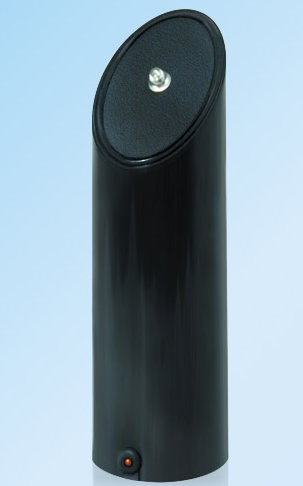 EnergAire®Quiet, filter-free air support
Two products with separate jobs. Position each one for the function it performs.
Discourage the pests. Support the air in the room.
RODAR® II focuses on ultrasonic pest deterrence. EnergAire® provides quiet, filter-free ionization for everyday air support. The pairing can be practical in basements, garages, laundry rooms, storage areas, cabins, campers, offices, and other enclosed spaces where pest pressure and stale-feeling air both matter.
Aim the front panel across open air toward travel routes, entry zones, appliance edges, or storage areas.
Place it where room air can move freely around the unit instead of behind furniture, boxes, or curtains.
Neither product replaces sanitation, moisture control, allergen cleanup, pet treatment, exclusion, or professional pest control when needed.
Start with the habits pests depend on.
The free RODAR® II report explains ten practical ways to reduce food, water, shelter, clutter, and entry points before a small pest problem becomes harder to manage.
- Clean food and grease where pests actually feed
- Fix moisture and dry problem areas
- Inspect packages, boxes, and pet supplies
- Seal cracks, gaps, and utility penetrations
- Place continuous deterrence where activity is concentrated
Helpful answers about roaches, fleas, and ultrasonic deterrence.
Does RODAR® II kill roaches or fleas?
No. RODAR® II is designed to help repel unwanted pests by making the protected area less comfortable. It does not poison, trap, capture, or kill insects.
Where should RODAR® II be placed for roaches?
Start in the enclosed room where evidence appears. Aim the front across open air toward appliance edges, baseboards, utility routes, storage, or moisture-prone zones while keeping the unit dry and unobstructed.
Does ultrasound travel through cabinets or walls?
No. Walls, closed cabinet faces, doors, appliances, furniture, and dense storage can block or reduce ultrasonic coverage. Hidden harborages may require separate targeted controls.
Can RODAR® II replace bait or professional pest control?
Not in every situation. Active roach infestations, shared-wall buildings, food-service areas, or recurring problems may need monitoring, baits, repairs, sanitation, or professional treatment. Use RODAR® II as one continuous deterrence layer.
Will RODAR® II treat fleas on my dog or cat?
No. RODAR® II does not treat an animal. CDC recommends keeping pets free of fleas and consulting a veterinarian about appropriate flea-control products while cleaning and treating the home environment.
Why is vacuuming important for fleas?
EPA recommends frequent vacuuming of carpets, upholstered furniture, floor cracks, baseboards, and other flea-prone areas. Flea control often requires ongoing sanitation and follow-up across multiple life stages.
Are bug bombs a simple solution?
Total-release foggers can pose fire, explosion, and exposure risks if misused. Follow EPA guidance and the product label exactly, and do not depend on a fogger as the only part of the pest plan.
How many RODAR® II units are needed?
One unit can cover up to 3,000 square feet under favorable open-space conditions. Separate rooms, closed doors, walls, cabinets, multiple floors, and blocked paths may require additional units or other controls.
Make the space less inviting to roaches and other crawling pests.
Start in the room where activity is visible, give RODAR® II a clear sound path, and keep removing the food, water, shelter, and access pests rely on.