

Help repel squirrels from attics, garages, and enclosed spaces.
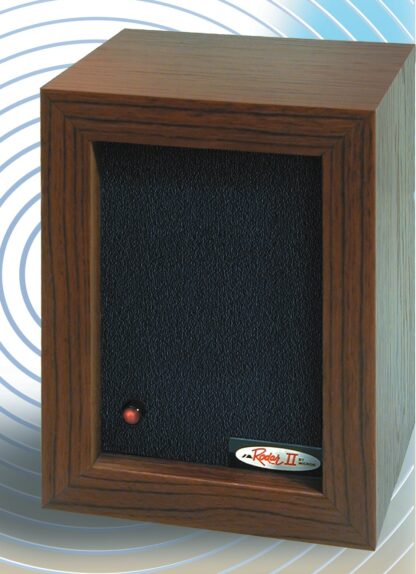
RODAR® II is a plug-in ultrasonic squirrel repeller designed to help make attics, eaves, garages, cabins, workshops, and storage areas less comfortable for squirrels.
Place it inside the problem area, aim the front panel across open rafters or room space, and leave it running continuously. For a stronger plan, combine ultrasonic deterrence with careful inspection, removal of attractants, wildlife-safe exit, and permanent exclusion after every animal—and any dependent young—has left.

The sound above the ceiling is only one clue.
Squirrels often reveal the route they are using before they are seen indoors. Inspect the roofline, attic, garage, and stored materials so the plan addresses the actual entry, nest, and travel path.
Scratching or running overhead
Fast movement in an attic, soffit, ceiling, or garage loft can indicate squirrel activity. Daytime noise often points toward tree squirrels; nighttime movement may warrant checking for flying squirrels or another animal.
Chewed openings
Look for enlarged gaps, tooth marks, or damage around fascia, soffits, vents, roof edges, dormers, eaves, and other protected entry points.
Nesting material
Leaves, shredded insulation, paper, fabric, bark, or other soft material gathered near an attic edge or wall cavity can signal an active nest.
Damaged insulation or wiring
Squirrels may gnaw and rearrange materials. Exposed wiring, damaged ductwork, or heavily disturbed insulation deserves prompt professional inspection.
Repeated roof access
Watch roof edges, nearby branches, utility routes, chimneys, and exterior ledges for a repeated approach to the same opening.
Droppings or food caches
Rodent waste, nutshells, seeds, or stored food in a dry attic or garage can help identify an active feeding or shelter area.
Do not close an active opening too soon.
Before sealing a squirrel entry, confirm that every animal has left and that no dependent young remain inside. Improperly timed exclusion can separate a mother from young or trap an animal in the structure. When the nest location or exit status is uncertain, use a licensed wildlife-control professional and follow local wildlife rules. Review USDA exclusion guidance.
Make the space harder to enter—and less comfortable to stay in.
EPA’s integrated pest management approach emphasizes prevention and using the right combination of methods. For squirrels, that means identifying the animal, removing attractants, planning a safe exit, adding deterrence, and repairing the access point.
Inspect and identify.
Note when the noise occurs, locate the active entry, inspect the attic or garage, and look for nests, young, chewed materials, droppings, and damaged wiring.
Remove easy rewards.
Secure birdseed, pet food, feed, nuts, trash, and other attractants. Clean up spilled seed and reduce sheltered storage near the structure.
Plan a wildlife-safe exit.
Do not seal an occupied nest. Confirm that squirrels and dependent young are out, or have a qualified professional use an appropriate exclusion method.
Add RODAR® II coverage.
Place the unit inside the attic, garage, or enclosed problem zone, aim across open air toward the route or nest area, and leave it running continuously.
Repair and keep watching.
After every animal has left, close the opening with durable materials, repair damage, inspect nearby access routes, and monitor for fresh sounds or chewing.
Continuous sound in the enclosed spaces squirrels try to use.
RODAR® II emits ultrasonic sound in the 23–55 kHz range. It is designed to help make an attic, garage, storage room, or similar enclosed area less comfortable for squirrels while the unit runs quietly in the background.
Ultrasound travels through open air and can reflect from hard surfaces, but it does not travel effectively through roofs, ceilings, walls, closed doors, insulation, or packed storage. Place the unit in the actual problem space whenever it is safe and accessible.
Face the front panel toward the active route, nest area, eave line, or open attic—not into insulation, a wall, or a stack of boxes.
Continuous operation keeps the deterrence layer present during the hours squirrels enter, rest, or investigate the space.
One unit can cover up to 3,000 square feet under favorable conditions. Separate attics, garages, knee-wall spaces, and closed rooms may need separate units.
RODAR® II is not a physical barrier, wildlife-removal service, or substitute for checking for young and repairing an entry point.
Place it in the space squirrels are using—not in the room below.
If the activity is in an attic or garage loft, the unit belongs in that open, dry, protected zone. Ultrasound cannot be expected to pass through a finished ceiling or wall.
Attics & open rafters
Place or mount RODAR® II where the front panel can face the active entry, roof edge, nest area, or open travel path. Keep insulation and stored materials away from the front.
Eaves, soffits & dormers—from inside
When the opening is near an eave or soffit, aim from the dry interior toward that side of the attic. Do not place the unit outdoors or expose it to weather.
Garages & workshop lofts
Aim toward overhead storage, roof framing, wall-top routes, or visible entry damage. Use another unit when a wall or closed door separates the active zone.
Knee walls & attic access zones
Use only where the unit can remain dry, ventilated, and safely powered. Face it into the cavity or open zone rather than through the access panel from the finished room.
Cabins & outbuildings
Inspect the roofline, remove stored food or seed, and run RODAR® II continuously in the enclosed interior before and during inactive periods.
Storage rooms & back rooms
Keep aisles open and aim along the route squirrels are using. Dense boxes, partitions, and ceiling-level storage can create blocked zones.
Good starting setup
Avoid these placement mistakes
The timing of the noise can help—but identification still matters.
Regional species differ. Use activity time, entry size, damage, and a visual inspection to narrow the possibilities before choosing removal and exclusion steps.
Tree squirrels
Gray, fox, and red squirrels are generally active during the day. They often approach from roofs, trees, utility routes, and eaves, then enlarge weak points to enter an attic or garage.
- Listen for morning or daytime running and chewing.
- Inspect roof edges, soffits, fascia, vents, dormers, and nearby access routes.
- Aim RODAR® II across open attic space toward the active route.
Flying squirrels
Flying squirrels are nocturnal and can use smaller openings, attic edges, wall spaces, cabins, and bird-house-like cavities. More than one animal may share a sheltered area.
- Investigate light scratching or movement after dark.
- Check attic corners, wall interfaces, roof penetrations, and concealed nesting material.
- Confirm the species and local rules before exclusion or relocation.
Use deterrence while the exit and repair plan moves forward.
A squirrel already nesting inside may not leave on a fixed timetable. Food, young, weather, alternate exits, room layout, and the security of the nest all affect behavior.
Inspect, place, and confirm.
Locate the active zone, check for a nest or young, clear the front of the unit, plug it in, confirm the red LED is blinking, and leave it running.
Watch the route and activity.
Monitor when squirrels leave and return. Remove attractants, keep RODAR® II aimed at the active zone, and arrange professional exclusion when the situation calls for it.
Seal, repair, and monitor.
Close the active entry with durable materials, repair chewed areas, inspect wiring and insulation, and keep monitoring for fresh sounds or damage.
Pest-control electronics should be built like electronics.
Micron has manufactured RODAR® systems since 1992 and has supported the product from design and assembly through packaging, fulfillment, customer education, and service. That electronics-manufacturing background matters for a device intended to stay plugged in and operate continuously in real homes, attics, garages, and work areas.
Decades of RODAR® product history, customer feedback, packaging, placement guidance, and direct support.
RODAR® II is built by an electronics manufacturing company focused on repeatable assembly and dependable operation.
Less than 2 watts of electricity supports around-the-clock operation without a complicated routine.
RODAR® IIUltrasonic squirrel deterrence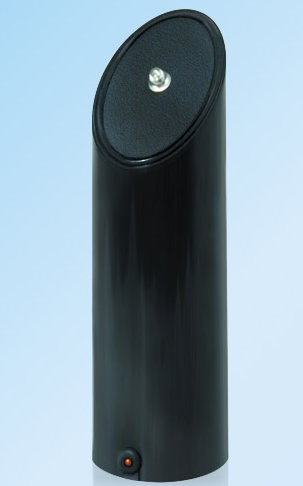 EnergAire®Quiet, filter-free air support
Two separate products for two separate jobs. Position each one for the function it performs.
Discourage squirrels. Support the air in the room.
RODAR® II focuses on ultrasonic pest deterrence. EnergAire® provides quiet, filter-free ionization to support fresher-feeling air in dry, enclosed spaces such as garages, workshops, cabins, finished storage rooms, and other areas where people spend time.
Aim the front panel across open attic or garage air toward the entry, nest area, or travel route.
Use it in a dry area where air can circulate rather than behind boxes, insulation, furniture, or inside a tight cabinet.
Neither product removes droppings, nesting material, damaged insulation, odors at their source, or the need to close an entry after squirrels leave.
Use deterrence inside a responsible wildlife-management plan.
These public resources support the page’s emphasis on safe cleanup, prevention, exclusion, and species-specific inspection.
Ventilation, gloves, wet disinfection, and cleanup methods that avoid sweeping or vacuuming dry waste.
Open CDC guidance → U.S. EPAIntegrated pest managementA prevention-first approach that combines inspection, non-chemical methods, monitoring, and targeted control.
Open EPA guidance → USDA APHISWildlife exclusionBackground on barriers and exclusion methods used to reduce wildlife access to buildings and protected resources.
Open USDA guidance → Penn State ExtensionTree squirrel damage and controlIdentification, attic damage, wiring concerns, nesting behavior, exclusion, and the need to avoid trapping animals inside.
Open extension guidance →Start with the conditions squirrels use.
Get the full “10 Easy Ways to Help Get Rid of Pests” guide for practical ideas on inspection, food storage, moisture control, clutter, cleaning, entry points, and continuous prevention.
- Find likely entry and nesting areas
- Reduce food and sheltered storage
- Plan exclusion only after animals are out
- Build a practical layered prevention plan
Straight answers before you plug it in—or close the entry.
Use these answers to choose the right space, avoid common placement mistakes, and understand where ultrasonic deterrence fits in a responsible squirrel-control plan.
Does RODAR® II kill or trap squirrels?
No. RODAR® II is designed to help repel squirrels by making the protected area less comfortable. It does not trap, poison, capture, or physically remove an animal.
Where should RODAR® II be placed for squirrels?
Place it inside the same dry, enclosed attic, garage, loft, cabin, or storage zone where activity is occurring. Aim the front panel across open air toward the route, entry, nest area, or rafters.
Will ultrasound travel through a ceiling or wall?
No. Ultrasound works through open air and may reflect from hard surfaces, but ceilings, walls, closed hatches, insulation, ducts, furniture, and dense storage can block or reduce coverage.
Should the entry hole be sealed immediately?
No. Confirm that every squirrel has left and that no dependent young remain before permanent sealing. If the nest or exit status is uncertain, contact a licensed wildlife-control professional.
How many units are needed?
One unit can cover up to 3,000 square feet under favorable open-space conditions. Separate attics, garages, closed rooms, multiple floors, and blocked zones may require more than one unit.
Can RODAR® II be used outdoors?
RODAR® II is intended primarily for enclosed, dry, protected spaces. Do not expose the unit or adapter to rain, condensation, or weather. Aim from inside the attic or garage toward the problem area.
Can it be used around cats and dogs?
RODAR® II is listed for use around non-rodent pets. Because squirrels are rodents and the unit is designed to repel rodents, do not use it near pet rats, mice, hamsters, gerbils, guinea pigs, or similar small rodent pets.
Can squirrel droppings or nesting material be vacuumed?
Do not sweep or vacuum dry rodent urine, droppings, or nesting material. Follow CDC cleanup guidance for ventilation, wet disinfection, protective gloves, and safe removal.
Make the attic or garage less inviting to squirrels.
Start in the actual enclosed space where activity is occurring, give RODAR® II a clear sound path, and keep inspection, wildlife-safe exclusion, and repair moving forward.